
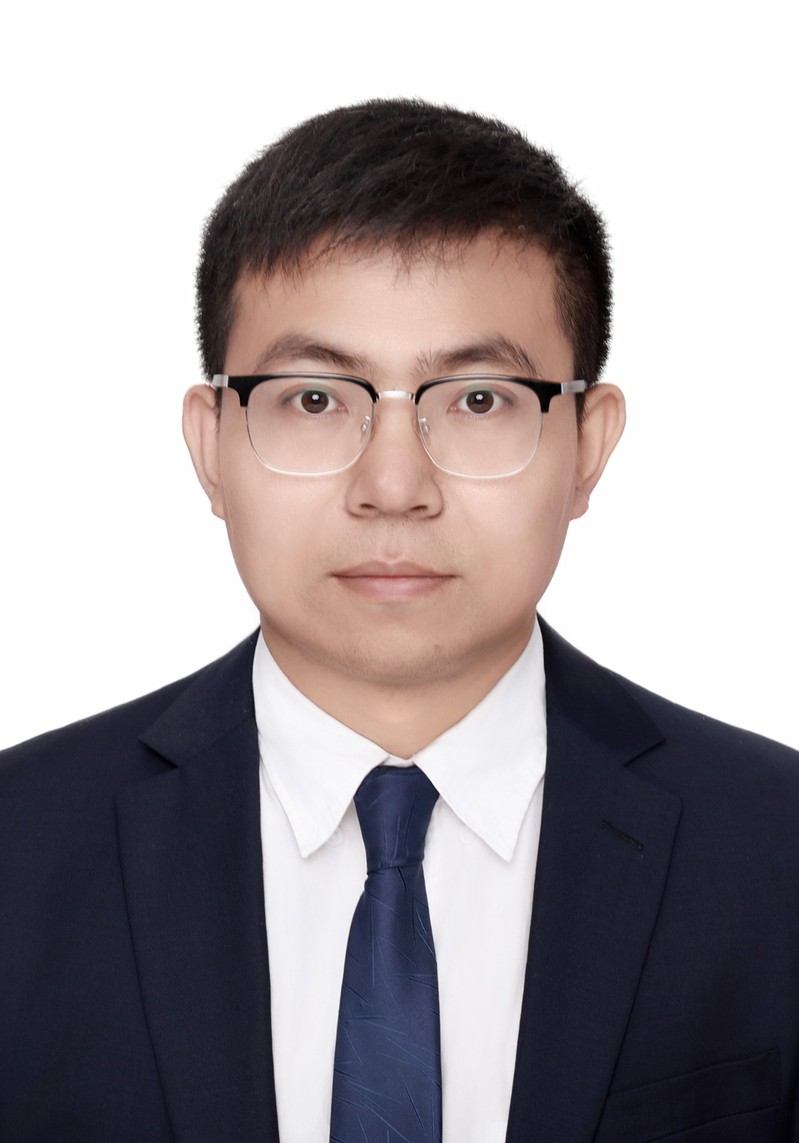
At the invitation of Professor Zhe Lü from the School of Physics, Chengzhi Guan a senior engineer at the Shanghai Institute of Applied Physics, Chinese Academy of Sciences (alumnus of the School of Physics), returned to the School of Physics for attending the anniversary event and academic visit. He will deliver an academic presentation on the engineering development of solid oxide fuel cells and electrolysis cells.
Title: Thinking and Practices of SOFC/SOEC Engineering Development
Speaker: Chengzhi Guan, senior engineer at the Shanghai Institute of Applied Physics, Chinese Academy of Sciences
Time: 9:00 AM – 11:00 AM, Sunday, September 14, 2025
Venue:Room 319, Building 2G in HIT Science Park
About the Speaker:
Chengzhi Guan, Senior Engineer/Master's Supervisor, and Project Leader at the Shanghai Institute of Applied Physics, Chinese Academy of Sciences, concurrently serving as Executive Deputy General Manager and Technical Director of Qingcheng Co., Ltd. He has mainly engaged in research on application technologies related to solid oxide fuel cells (SOFC) and solid oxide electrolysis cells (SOECs) for over 10 years. He led the establishment of a single-cell production line for SOFC/SOEC based on the Tape casting-Screen printing-High temperature sintering technology, and completed the technical and product development of single cells, stacks, and hydrogen generation/power generation system equipment. He published over 60 papers and filed more than 40 patent applications, with over 20 patents granted. He is a member of the Youth Innovation Promotion Association of the Chinese Academy of Sciences, a High-level Innovative and Entrepreneurial Talent as well as Urgently Needed Talent in Jiading District, Shanghai, a Young Talent of Jiading District, Shanghai, and a member of the High-Temperature Fuel Cell Standardization Technical Committee in the energy industry.
Abstract:
High-temperature solid oxide fuel cells (SOFCs) efficiently convert the chemical energy in hydrocarbon fuels into clean electricity, achieving a power generation efficiency of 60% and a combined heat and power (CHP) efficiency exceeding 80%, making them suitable for various distributed energy applications. The solid oxide electrolysis cells (SOECs), the reverse process of SOFC technology, utilizes surplus renewable energy to electrolyze water vapor (CO2) into hydrogen (H2) and carbon monoxide (CO), which can be used as industrial feedstock or for energy storage, with an electricity-to-chemical energy conversion efficiency surpassing 90%.
The Shanghai Institute of Applied Physics (SIAP) of the Chinese Academy of Sciences (CAS) has identified SOFC/SOEC technology as a pivotal solution for efficient nuclear energy utilization and low-carbon hybrid energy systems. With over a decade of applied R&D in this field, SIAP has made strides in material synthesis, single-cell and stack device development, and system integration. The institute has also validated and demonstrated applications in high-efficiency hydrogen production, CO2/H2O co-electrolysis for syngas generation, combined heat and power (CHP) systems, and hydrogen storage. This Lecture will outline SIAP's practical progress in SOFC/SOEC technology development and share some insights from transforming laboratory research finds into engineering applications.
